
A small closet can feel full surprisingly fast. Clothes get packed tightly together, shoes take over the floor, shelves become cluttered, and before long it feels like there's nowhere left to put anything.
But a lack of closet space doesn't necessarily mean you need a bigger closet. Often, the real problem is that the space you already have isn't being used efficiently.
By clearing unnecessary items, using overlooked areas, and choosing storage products that solve specific problems, you can create considerably more usable room without remodeling your closet.
Here are 10 practical ways to get started.
Top Picks (Quick Links)

5-Drawer Closet Organizer
Best for: Adding drawer storage without a dresser
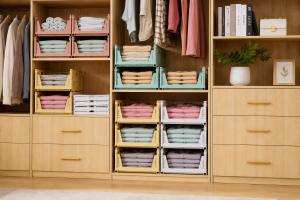
Stackable Storage Baskets
Best for: Using vertical space efficiently
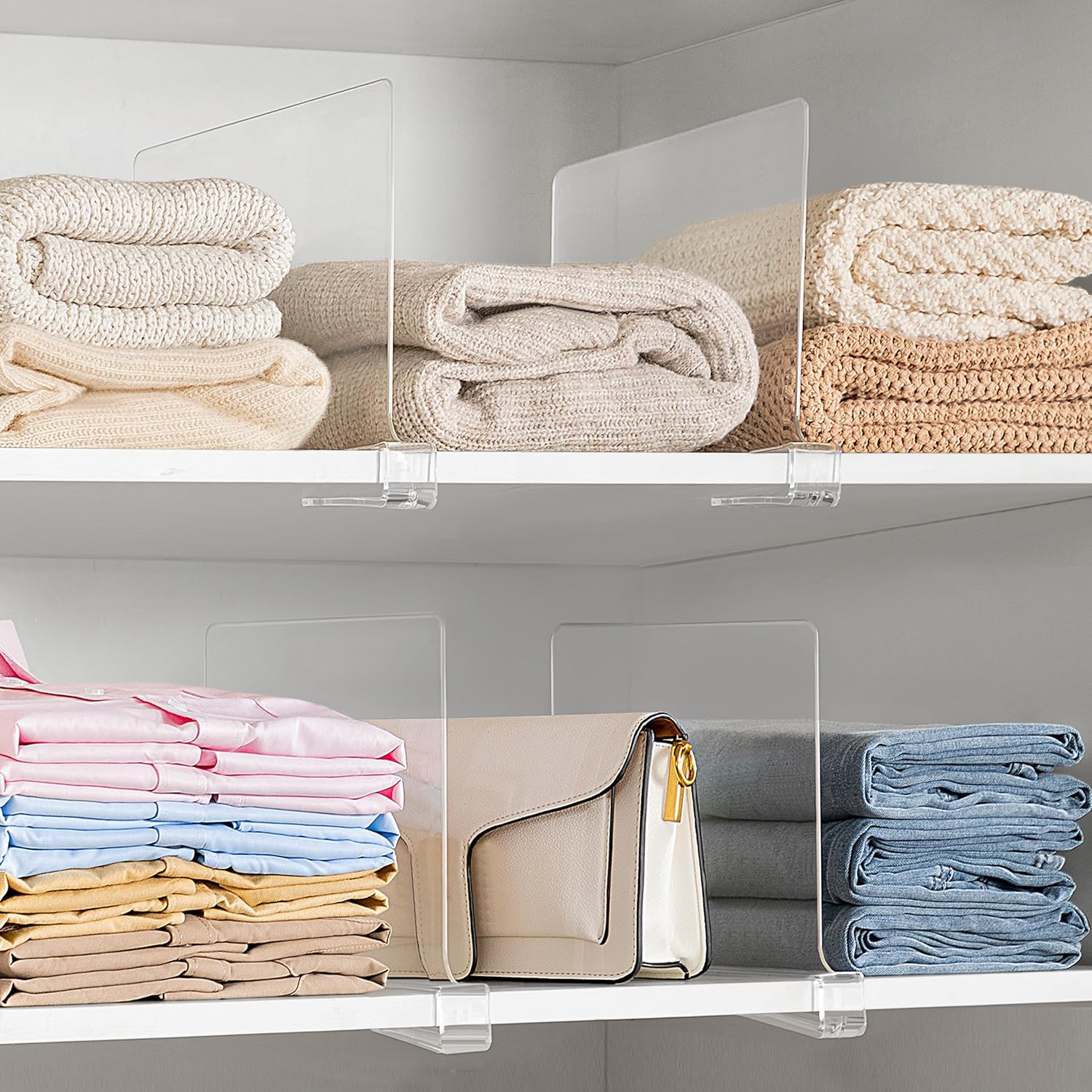
Closet Dividers
Best for: Keeping folded clothes organized
If you're working with a particularly tight space, start with our Small Closet Organization Ideas That Actually Work guide. It's one of our most comprehensive resources for getting more storage from a smaller closet.
1. Remove What You No Longer Wear
Before buying another organizer, start by figuring out what's actually taking up space.
Take everything out that you haven't worn recently and separate it into three categories:
- Keep
- Donate
- Store elsewhere
You don't necessarily need to get rid of seasonal or sentimental clothing. The goal is simply to prevent items you rarely use from occupying your most valuable everyday storage space.
Our Closet Decluttering Tips That Actually Work guide goes deeper into this process.
2. Use Your Closet's Vertical Space
One of the biggest opportunities in a small closet is usually above or below the main hanging rod.
Look for unused space:
- Above folded clothing
- Under hanging shirts
- On high shelves
- Along the closet floor
Instead of expanding outward, think upward.
Stackable storage can turn an empty vertical area into several useful storage sections.
3. Stop Letting Folded Clothes Collapse Into Each Other
Stacks of shirts and sweaters often start organized and end up becoming one giant pile.
Closet Shelf Dividers create boundaries between clothing categories so each stack stays in its own section.
You could create separate areas for:
- T-shirts
- Sweaters
- Jeans
- Workout clothes
This doesn't technically make your closet larger, but it can make the existing shelf considerably easier to use.
View Closet Shelf Dividers on Amazon →
4. Add Drawer Storage Inside the Closet
If your closet has unused floor space, a compact 5-Drawer Closet Organizer can turn that area into useful clothing storage.
This works especially well if you don't have room for a traditional dresser.
Use the drawers for smaller items such as:
- Socks
- Underwear
- T-shirts
- Shorts
- Accessories
If you're working without a dresser entirely, see our How to Organize Clothes Without a Dresser guide for additional ideas.
View 5-Drawer Closet Organizer on Amazon →
5. Stack Storage Instead of Spreading It Out
Floor space disappears quickly in a small closet.
That's why Stackable Storage Baskets can work particularly well.
Instead of placing several containers next to one another, stacking allows you to take advantage of height.
They're useful for things like accessories, folded clothing, handbags, and items you want accessible without leaving them loose on a shelf.
View Stackable Storage Baskets on Amazon →
6. Move Off-Season Clothes Somewhere Else
There's little reason for a heavy winter sweater to occupy prime closet space during August.
Rotate clothing as seasons change.
Off-season clothes can be cleaned, organized, labeled, and moved into dedicated storage until they're needed again.
We've created a complete guide on How to Store Seasonal Clothing Without Creating Closet Clutter if you want to tackle this separately.
7. Don't Ignore the Space Under Hanging Clothes
Look underneath your shirts.
Depending on your closet, there may be several feet of unused vertical space between the bottom of your clothes and the floor.
That's valuable real estate.
Consider using that area for:
- A small drawer organizer
- Shoes
- Storage baskets
- Folded clothes
- Accessories
This is especially helpful in closets without extensive built-in shelving.
And if that's your situation, our Closet Storage Ideas Without Shelves guide covers additional solutions.
8. Give Everything a Home
One reason small closets become messy so quickly is that miscellaneous items don't have designated locations.
Belts end up on shelves.
Shoes get thrown onto the floor.
Bags get stuffed into corners.
Instead, create simple zones:
Hanging area: everyday clothing
Shelves: folded clothing
Drawers: small garments
Baskets: accessories
Upper shelf: seasonal storage
Floor: shoes
You don't need a complicated organization system.
You need one that's easy enough to maintain.
9. Keep Frequently Worn Clothes Easy to Reach
Don't give your best closet space to clothes you rarely wear.
Everyday clothing should occupy the easiest areas to access.
Occasional and seasonal items can move:
- Higher
- Lower
- Into storage containers
- Into another storage area
This simple change can make a small closet feel much easier to navigate.
10. Don't Fill Every Inch
This sounds counterintuitive, but an organized closet shouldn't be completely full.
If every shelf, hanger, basket, and drawer is packed to maximum capacity, the closet will quickly become difficult to maintain.
Leave yourself some breathing room.
That's what makes an organization system sustainable rather than something that looks great for three days and then becomes messy again.
What Makes a Small Closet Feel Bigger?
The goal isn't necessarily to fit as many belongings as physically possible into the closet.
It's to make better use of the space.
A small closet generally becomes more functional when you:
- Remove unnecessary items
- Use vertical space
- Separate clothing categories
- Rotate seasonal clothes
- Utilize the area beneath hanging clothes
- Give frequently used items priority
Sometimes reorganizing what you already own can make a bigger difference than purchasing another storage product.
Frequently Asked Questions
How can I make more room in a small closet?
Start by decluttering, then maximize vertical space, organize folded clothing, use the space beneath hanging garments, and move seasonal clothing into separate storage.
How do I organize a small closet with too many clothes?
Begin by separating everyday clothes from seasonal and rarely worn items. Keep frequently used clothing accessible and move everything else into secondary storage.
How do I maximize vertical space in a small closet?
Use stackable storage, shelf dividers, compact drawers, and upper shelving to take advantage of areas that would otherwise remain empty.
What should I store on the floor of a small closet?
Shoes, compact drawer organizers, and stackable baskets can work well on the closet floor as long as they don't interfere with hanging clothes.
Should I buy closet organizers before decluttering?
Usually not. Decluttering first lets you see how much storage you actually need and prevents you from buying organizers for belongings you ultimately don't keep.
Related Closet Organization Guides
Continue organizing with these guides:
Small Closet Organization Ideas That Actually Work
Closet Storage Ideas Without Shelves
Closet Decluttering Tips That Actually Work
How to Organize Clothes Without a Dresser
How to Store Seasonal Clothing Without Creating Closet Clutter
Final Thoughts
You don't necessarily need a bigger closet to create more storage space.
Start by eliminating unnecessary clutter, then look for parts of the closet you're currently underusing. Vertical space, empty areas beneath hanging clothes, upper shelves, and the closet floor can all become useful storage when they're organized intentionally.
Most importantly, keep the system simple.
A closet that's easy to maintain will almost always stay more organized than one that's packed with complicated storage solutions.
Affiliate Disclosure
As an Amazon Associate, I earn from qualifying purchases. If you purchase through one of our links, we may earn a commission at no additional cost to you.