
Nothing is more frustrating than opening a storage container months later only to find your clothes have developed a stale or musty smell. Whether you're storing seasonal clothing, baby clothes, or everyday garments, proper preparation makes a big difference.
The good news is that preventing odors doesn't require expensive products or complicated storage systems. By cleaning clothing properly, using breathable storage solutions, and organizing items correctly, you can keep your clothes fresh while creating more closet space.
Top Picks (Quick Links)

Fab Totes
Best for breathable long-term clothing storage

Closet Bins
Best for organizing clothing by category
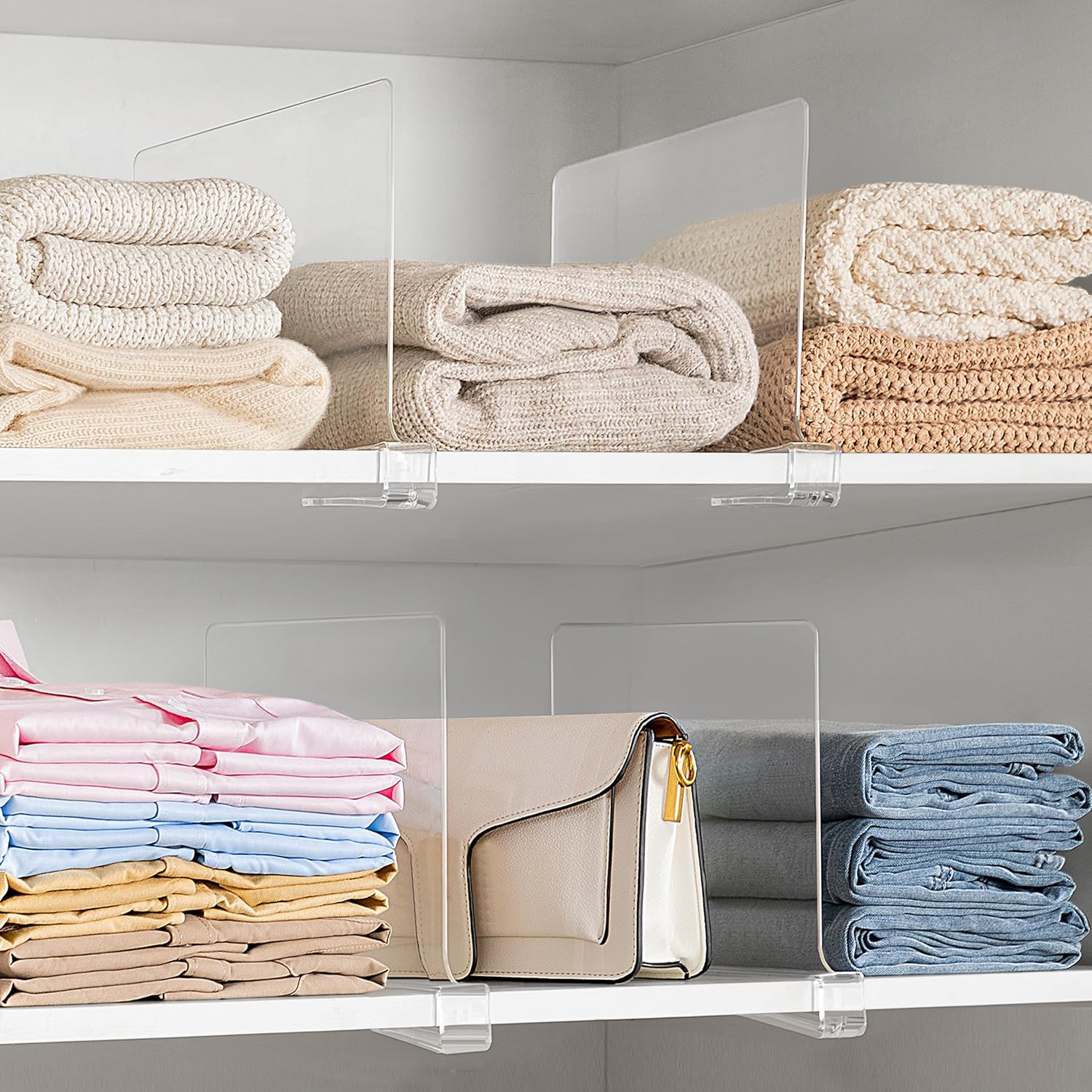
Closet Dividers
Best for separating frequently used and stored clothing
If you're planning to store clothing for several months, read our Best Long-Term Clothing Storage Solutions to Protect Your Wardrobe guide for a complete overview.
You may also find How to Store Seasonal Clothing Without Creating Closet Clutter helpful when rotating clothes between seasons.
1. Always Wash Clothes Before Storing Them
Even if clothing looks clean, invisible body oils, deodorant residue, and food particles can create odors over time.
Washing garments before storage helps prevent unwanted smells and keeps fabrics in better condition.
2. Use Breathable Storage Instead of Overpacking
Stuffing clothing into tightly packed containers traps moisture and reduces airflow.
Fab Totes provide a practical way to store clothing while allowing fabrics to breathe better than many overfilled containers.
Why They Work
- Great for seasonal clothing
- Easy to stack
- Helps organize bulky garments
3. Organize Clothing Into Categories
Keeping sweaters, jackets, blankets, and accessories separated makes storage easier to manage.
Closet Bins help organize clothing by category so you're not constantly digging through large piles.
If your closet already feels crowded, our Best Closet Organization Ideas for Crowded Closets article offers additional organization strategies.
4. Separate Stored Clothing From Everyday Clothing
Using Closet Dividers allows you to keep stored clothing separate from items you wear every week.
This keeps closets organized while reducing unnecessary handling of stored garments.
If you have limited storage, our Small Closet Organization Ideas That Actually Work guide provides additional space-saving ideas.
5. Store Clothes in a Cool, Dry Location
Where you store clothing matters just as much as how you store it.
Avoid damp basements or humid garages whenever possible, and choose a dry indoor location with consistent temperatures.
Frequently Asked Questions
Why do clothes smell after being in storage?
Clothes often develop odors when they're stored without being washed first or when moisture becomes trapped during storage.
Are fabric storage totes good for long-term storage?
Yes. Fabric storage totes work well for many clothing items because they help organize garments while allowing better airflow.
Should I wash seasonal clothes before storing them?
Yes. Clean clothing stores better and is less likely to develop stains or odors.
What's the best place to store clothes long term?
A cool, dry, climate-controlled area is generally the best environment for long-term clothing storage.
Related Articles
- Best Long-Term Clothing Storage Solutions to Protect Your Wardrobe
- How to Store Seasonal Clothing Without Creating Closet Clutter
- How to Store Winter Clothes the Right Way
- Closet Decluttering Tips That Actually Work
Final Thoughts
Keeping clothes fresh in storage starts with proper preparation. Washing garments, organizing them into categories, and using breathable storage solutions can help prevent odors while keeping your closet organized throughout the year.
Small improvements today can help protect your wardrobe for months to come.
Affiliate Disclosure
As an Amazon Associate, I earn from qualifying purchases. This means if you click on a link and make a purchase, I may earn a small commission at no additional cost to you.